Using caffeine safely while managing your weight
Safety depends on the total dose, timing, delivery method and personal sensitivity—not merely whether an ingredient is natural. Start by counting every source and deciding whether caffeine improves your routine without harming sleep, appetite or cardiovascular comfort. A workable plan combines a modest calorie deficit with adequate protein and movement rather than chasing rapid day-to-day scale changes.
Count milligrams, not cups
Caffeine content varies substantially among brewed coffee, espresso, tea, energy drinks and supplements. Use the package amount when available and remember that a large café drink may contain multiple shots or servings.
The FDA states that 400 milligrams per day is an amount not generally associated with negative effects for most healthy adults, but it is not a target or a guarantee of safety. Some people experience symptoms at much lower intakes.
- List each source and its caffeine content for three typical days.
- Include pre-workout powders, pain relievers and chocolate when relevant.
- Avoid combining a caffeine pill with an energy drink or strong coffee.
- Reduce gradually if daily use causes withdrawal headaches.
Protect sleep with an earlier cutoff
Caffeine can remain active for hours, so an afternoon dose may affect nighttime sleep. A practical experiment is to stop at least eight hours before bed for two weeks and compare sleep quality, morning alertness and hunger.
If sleep improves, keep the earlier cutoff rather than adding caffeine to compensate for fatigue. Persistent daytime sleepiness despite adequate time in bed warrants medical discussion.
- Use decaffeinated coffee or herbal tea later in the day.
- Move exercise caffeine earlier instead of increasing the amount.
- Track bedtime, awakenings and next-day cravings during the trial.
Recommended Products
Know the side effects and higher-risk situations
Common signs of excess include anxiety, tremor, insomnia, nausea, reflux, headache and a fast heartbeat. Stop taking more caffeine and seek urgent help for chest pain, fainting, severe confusion, seizure or a sustained irregular heartbeat.
People who are pregnant, have an arrhythmia, uncontrolled blood pressure, panic symptoms, significant reflux or take interacting medicines should ask a healthcare professional about an appropriate limit. The American College of Obstetricians and Gynecologists advises keeping pregnancy intake below 200 milligrams per day. A workable plan combines a modest calorie deficit with adequate protein and movement rather than chasing rapid day-to-day scale changes.
- Children and adolescents should not use weight-loss or high-stimulant products.
- Concentrated caffeine powder can be dangerous because small measuring errors matter.
- Discuss caffeine with a pharmacist when starting a new stimulant, decongestant or certain psychiatric medicines.
When low weight or hair loss changes the plan
Intentional dieting should pause if weight falls rapidly, body mass becomes too low, menstrual periods stop or eating becomes rigid and fearful. Caffeine can suppress normal fatigue and hunger signals without correcting inadequate nutrition.
Diffuse hair shedding after restrictive dieting often takes time to appear. A clinician may evaluate dietary intake, thyroid function, iron status, medications and recent illness based on the pattern and accompanying symptoms; taking random high-dose nutrients can obscure the problem or cause harm.
- Prioritize adequate calories and protein rather than adding another weight aid.
- Photograph the part line monthly under the same lighting if monitoring thinning.
- Arrange evaluation for bald patches, scalp pain, scaling or ongoing heavy shedding.
Caffeine marketed for hair loss
Topical caffeine appears in some hair products, but formulation and clinical evidence vary. It should not be treated as equivalent to established hair-loss treatments or assumed effective merely because caffeine affects isolated follicles in a laboratory.
Supplements for Caffeine And Weight Loss
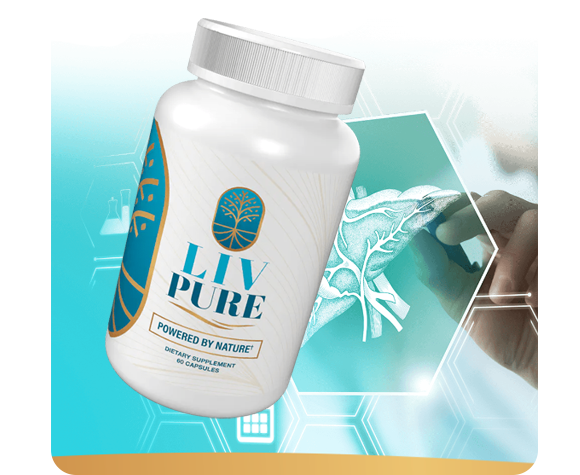
LivPure
Milk-thistle silymarin, betaine, berberine and glutathione give LivPure its liver-support focus, alongside antioxidants from green tea. Silymarin and glutathione contribute antioxidant support, while betaine and choline are involved in normal liver fat processing. For caffeine and weight loss, its silymarin, betaine and choline emphasize healthy liver function and normal handling of dietary fats.

Ikaria Juice
Ikaria Juice combines green-tea polyphenols, citrus pectin, turmeric, dandelion and milk thistle with inulin and a multi-strain probiotic blend. The combination of probiotic cultures, prebiotic fiber and botanical polyphenols targets gut comfort and everyday metabolic health. For caffeine and weight loss, the inulin and probiotic blend targets digestive comfort and an everyday gut-health routine.

Metabo Drops
The Metabo Drops liquid blends green-tea compounds and coffee-derived chlorogenic acid with L-carnitine, chromium and calming-focus L-theanine. Green tea and chlorogenic acid supply plant polyphenols, while chromium and L-carnitine give the formula its nutrient-metabolism focus. For caffeine and weight loss, chromium and botanical polyphenols offer targeted nutrient-metabolism support in a coffee-friendly format.

Java Burn
Java Burn mixes into hot or iced coffee and contains green-tea extract, green-coffee chlorogenic acids, L-carnitine, L-theanine, chromium and B vitamins. L-carnitine participates in fatty-acid transport, while L-theanine is intended to complement coffee alertness with a calmer focus. For caffeine and weight loss, chromium and botanical polyphenols offer targeted nutrient-metabolism support in a coffee-friendly format.

TruVarin
TruVarin combines hemp-derived varin oil, caffeine and botanical extracts in a topical product aimed at scalp comfort and fuller-looking hair. Caffeine and saw palmetto are common scalp-care ingredients, while peppermint and plant oils help make the topical treatment part of a regular hair routine. With caffeine and weight loss, the topical botanical blend supports scalp and hair appearance as a separate wellness need.

HepatoBurn
HepatoBurn brings silymarin, glutathione, berberine and choline into a multi-ingredient formula for liver-related metabolic and antioxidant support. The combination of liver-oriented nutrients and green-tea compounds is intended to support everyday metabolic energy and healthy fat handling. For caffeine and weight loss, its silymarin, betaine and choline emphasize healthy liver function and normal handling of dietary fats.

AquaBurn
The AquaBurn botanical blend contains fucoxanthin, green tea, quercetin, resveratrol and turmeric, with ginger and ginseng contributing digestive and vitality support. Green-tea catechins and seaweed-derived fucoxanthin provide the formula’s thermogenesis-oriented angle, while ginger contributes digestive support. With caffeine and weight loss, its green-tea or fruit polyphenols and selected botanicals provide a focus on energy and antioxidant wellness.

Flat Belly Shake
Flat Belly Shake is designed around the convenience of a prepared drink when planning breakfast, snacks and daily calorie intake. A prepared shake can simplify a planned breakfast or snack; the actual protein, fiber and calorie amounts on the current label determine how filling it may be. For caffeine and weight loss, the measured drink can contribute to portion planning when its nutrient panel suits the meal.

Nagano Tonic
Nagano Tonic is a powdered drink mix made with botanicals and nutrients including camu camu, green-tea EGCG, mangosteen, ginger and inulin. Its formula is promoted for daily metabolic, energy and digestive support; it is not a substitute for balanced nutrition or medical care. When comparing options alongside caffeine and weight loss, review the ingredient label and seller terms before ordering.
Frequently Asked Questions
Sensitivity varies, but an eight-hour pre-bed cutoff is a useful starting experiment. Move it earlier if sleep remains delayed or fragmented.
Some people tolerate it, while others develop nausea, shakiness or reflux. Taking it with food may improve comfort, but stop using it for weight control if it repeatedly replaces needed meals. Add up caffeine from drinks and other products to avoid unintentional overlap.
The body still responds to the caffeine molecule. Source alone does not determine safety; total dose, concentration, contaminants, other stimulants and personal health matter.