Caffeine and weight loss without the hype
Caffeine can briefly increase alertness, exercise capacity and energy expenditure, but it is not a stand-alone fat-loss treatment. This guide explains the likely size of its effect, how to use caffeinated drinks without undermining a calorie deficit, and why weight-loss supplements deserve closer scrutiny. A workable plan combines a modest calorie deficit with adequate protein and movement rather than chasing rapid day-to-day scale changes.
What caffeine can realistically change
Caffeine stimulates the central nervous system and can temporarily increase thermogenesis, meaning the body uses slightly more energy. It may also make a workout feel easier, helping some people train longer or with greater intensity.
Those effects are usually modest, vary by person and diminish as tolerance develops. A cup of coffee cannot target belly fat, overcome a consistently high calorie intake or guarantee continued loss during a weight plateau.
- Expect an alertness or workout effect, not dramatic fat burning.
- Regular users may feel less effect from the same dose over time.
- Sleep disruption can work against appetite control and training recovery.
Fat loss is not the same as scale loss
Day-to-day scale changes often reflect water, sodium, carbohydrate storage and food still being digested. Meaningful fat loss is better judged from a multiweek weight trend, waist measurements and consistent conditions for weighing.
Coffee can help or erase a calorie deficit
Plain brewed coffee and unsweetened tea contribute very few calories. The calculation changes when a drink includes sweetened creamer, flavored syrup, whipped topping or a large quantity of milk.
Instead of labeling coffee as a weight-loss drink, count what actually goes into the cup. A repeatable order with measured milk and little or no added sugar is easier to fit into a plan than a variable café beverage.
- Check the serving size and added sugars on bottled coffee.
- Measure creamer for one week rather than estimating each pour.
- Avoid using caffeine to skip meals if that leads to evening overeating.
- Choose water alongside coffee, especially before exercise or in hot weather.
Supplements for Caffeine And Weight Loss
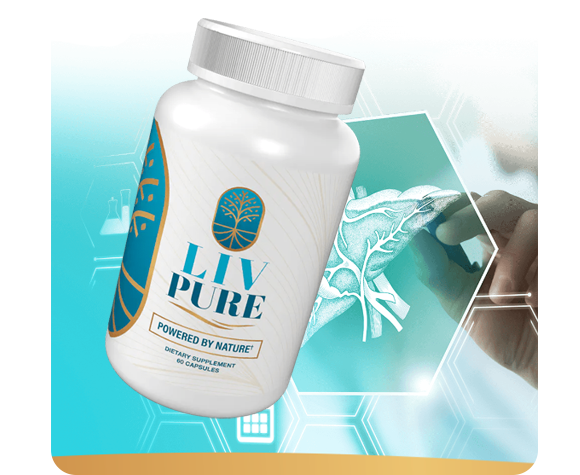
LivPure
LivPure uses two botanical-and-nutrient complexes: silymarin and betaine emphasize liver health, while green-tea polyphenols and choline support everyday nutrient processing. Choline and betaine support normal lipid metabolism, giving LivPure a liver-centered approach to weight-management wellness. For caffeine and weight loss, its silymarin, betaine and choline emphasize healthy liver function and normal handling of dietary fats.

Ikaria Juice
Ikaria Lean Belly Juice brings together plant antioxidants from green tea, berries and beetroot with prebiotic inulin and probiotic cultures for digestive wellness. Its digestive blend supports beneficial gut organisms and regularity, alongside antioxidant-rich extracts from berries and green tea. For caffeine and weight loss, the inulin and probiotic blend targets digestive comfort and an everyday gut-health routine.

Metabo Drops
Metabo Drops is a coffee-mix formula combining chromium for normal macronutrient metabolism with chlorogenic acid, green tea, L-carnitine and L-theanine. Its chromium and chlorogenic-acid combination targets everyday carbohydrate metabolism, while L-carnitine relates to cellular energy production. For caffeine and weight loss, chromium and botanical polyphenols offer targeted nutrient-metabolism support in a coffee-friendly format.

Java Burn
Java Burn mixes into hot or iced coffee and contains green-tea extract, green-coffee chlorogenic acids, L-carnitine, L-theanine, chromium and B vitamins. Chromium and B vitamins contribute to normal nutrient and energy metabolism; the green-tea and green-coffee extracts add polyphenols. For caffeine and weight loss, chromium and botanical polyphenols offer targeted nutrient-metabolism support in a coffee-friendly format.

TruVarin
TruVarin is not a diet product: its targeted blend of botanical oils, saw palmetto and caffeine is made for scalp and hair appearance. The botanical oils and caffeine serve a cosmetic scalp-care purpose, independent of any calorie or metabolism goal. With caffeine and weight loss, the topical botanical blend supports scalp and hair appearance as a separate wellness need.

HepatoBurn
HepatoBurn brings silymarin, glutathione, berberine and choline into a multi-ingredient formula for liver-related metabolic and antioxidant support. The combination of liver-oriented nutrients and green-tea compounds is intended to support everyday metabolic energy and healthy fat handling. For caffeine and weight loss, its silymarin, betaine and choline emphasize healthy liver function and normal handling of dietary fats.

AquaBurn
The AquaBurn botanical blend contains fucoxanthin, green tea, quercetin, resveratrol and turmeric, with ginger and ginseng contributing digestive and vitality support. Fucoxanthin and green tea give AquaBurn a metabolism-focused botanical profile, complemented by ginger, ginseng and plant polyphenols. With caffeine and weight loss, its green-tea or fruit polyphenols and selected botanicals provide a focus on energy and antioxidant wellness.

Flat Belly Shake
The Flat Belly Shake drink offers a measured powder serving rather than capsules, making it an option for people organizing daily meal portions. For meal planning, serving size and protein content matter more than the product name, because a satisfying shake needs adequate nutrients. For caffeine and weight loss, the measured drink can contribute to portion planning when its nutrient panel suits the meal.

Nagano Tonic
Nagano Tonic is a powdered drink mix made with botanicals and nutrients including camu camu, green-tea EGCG, mangosteen, ginger and inulin. Its formula is promoted for daily metabolic, energy and digestive support; it is not a substitute for balanced nutrition or medical care. When comparing options alongside caffeine and weight loss, review the ingredient label and seller terms before ordering.
The habits that produce most of the result
A sustainable calorie deficit, adequate protein, high-fiber foods, resistance training and regular movement matter far more than a metabolism-boosting ingredient. A useful first step is to keep normal meals while removing liquid calories or portions that are easy to reduce.
Track the same behavior for two to four weeks before declaring a plateau. If average weight and waist size remain unchanged, reduce intake slightly or add manageable activity rather than escalating caffeine.
- Build meals around protein, vegetables or fruit, and a filling high-fiber carbohydrate.
- Include strength training at least twice weekly if medically appropriate.
- Compare weekly average weights, not isolated morning readings.
- Protect sleep by moving caffeine earlier in the day.
When weight or hair changes need attention
Unintentional low weight, rapid weight loss, persistent fatigue or loss of menstrual periods should not be treated with more stimulants. These changes can reflect inadequate nutrition, medication effects, thyroid disease, digestive illness or another condition requiring assessment.
Hair shedding can occur several months after rapid dieting, illness, major stress or inadequate protein and micronutrient intake. Topical caffeine and supplement ingredients are marketed for hair loss, but they should not delay evaluation for a widening part, bald patches, scalp inflammation or persistent shedding. Water balance can mask fat-loss progress for several days, especially after salty meals, hard workouts or a change in carbohydrate intake.
- Seek prompt care for fainting, chest pain, severe weakness or a racing or irregular heartbeat.
- Discuss unexplained loss of 5% or more of body weight over six to 12 months with a clinician.
- A dermatologist can distinguish patterned thinning from patchy or inflammatory hair loss.
Frequently Asked Questions
It can briefly increase energy expenditure and release stored fatty acids, but that does not ensure meaningful fat loss. Long-term change still depends mainly on energy intake, activity, sleep and adherence.
Coffee provides a familiar drink with variable caffeine content, while pills can deliver a concentrated amount quickly. Neither is inherently a weight-loss treatment, and concentrated products make accidental high dosing easier. Add up caffeine from drinks and other products to avoid unintentional overlap.
Usually not by itself. First verify the plateau with several weeks of average weights, then examine portion drift, activity, sleep, medication changes and water retention.