How caffeine affects metabolism, exercise and fat loss
Caffeine has measurable short-term effects, but measurable does not always mean clinically important. The central question is whether those temporary effects produce a meaningful, durable difference in body weight. A workable plan combines a modest calorie deficit with adequate protein and movement rather than chasing rapid day-to-day scale changes.
Metabolism rises briefly, not indefinitely
Caffeine blocks adenosine receptors and increases nervous-system activity. This can temporarily raise resting energy expenditure and stimulate the release of fatty acids, especially in people who do not regularly consume caffeine.
The extra energy used is generally small compared with the calorie difference created by meals, snacks and beverages. As regular use builds tolerance, the metabolic response may become less noticeable.
- An acute laboratory effect does not guarantee long-term weight reduction.
- Individual response varies with body size, genetics, medications and habitual intake.
- Taking more to recapture the initial feeling increases side-effect risk.
Appetite effects are inconsistent
Some people notice less hunger for a few hours after coffee, while others notice no change or become hungrier later. Caffeine is therefore unreliable as an appetite-control strategy.
Using it in place of breakfast can be counterproductive if it produces shakiness, poor concentration or a large rebound meal. A planned meal containing protein and fiber offers more dependable fullness.
- Judge appetite across the whole day rather than the hour after a drink.
- Do not confuse nausea or nervousness with healthy satiety.
- Record late-day cravings when testing a new caffeine routine.
Why sleep belongs in the calculation
Caffeine consumed too late can delay sleep even when falling asleep still seems easy. Short or fragmented sleep may increase hunger, reduce impulse control and make exercise feel harder, potentially outweighing caffeine's small thermogenic effect.
Recommended Products
Performance may be the more useful effect
Caffeine can improve alertness and reduce perceived effort during some endurance and high-intensity activities. For a person who tolerates it, that may support a better workout rather than directly causing substantial fat loss.
More is not automatically better. New users can test a modest amount before a familiar workout, avoid combining multiple sources and stop if they develop palpitations, dizziness, tremor or unusual shortness of breath.
- Try caffeine during training before considering it for an event.
- Do not use a stimulant to train through illness or severe fatigue.
- Count coffee, tea, energy drinks, pre-workout products and pills together.
A better test for a weight plateau
A plateau is not a few unchanged weigh-ins. Sodium, menstrual-cycle changes, constipation and harder training can temporarily mask fat loss through water retention.
Weigh under similar conditions and calculate a weekly average for at least two to four weeks. If the trend and waist measurement are both unchanged, audit portions and activity, then make one small adjustment that can be maintained. A workable plan combines a modest calorie deficit with adequate protein and movement rather than chasing rapid day-to-day scale changes.
- Confirm that weekend intake and drinks are included.
- Check whether daily steps declined as body weight fell.
- Reduce calories modestly rather than replacing meals with coffee.
- Seek individualized help if weight is already low or eating feels compulsive.
Supplements for Caffeine And Weight Loss
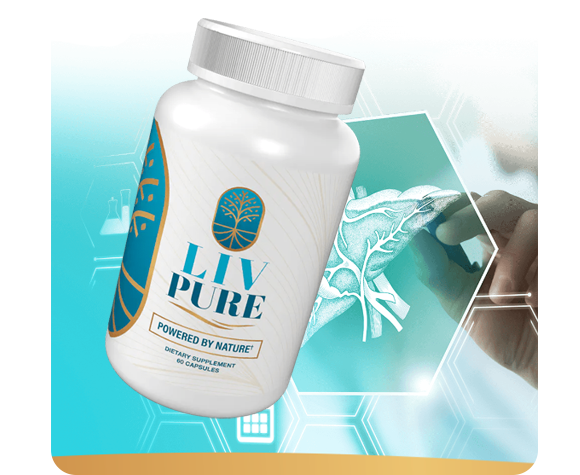
LivPure
LivPure combines milk-thistle silymarin, betaine, berberine and glutathione with green-tea compounds to support normal liver function and fat metabolism. Berberine is included for metabolic wellness, while milk thistle and glutathione focus on liver and cellular antioxidant support. For caffeine and weight loss, its silymarin, betaine and choline emphasize healthy liver function and normal handling of dietary fats.

Ikaria Juice
Ikaria Juice approaches weight-management wellness through botanical antioxidants, citrus pectin and an inulin-and-probiotic digestive blend. Inulin helps nourish beneficial gut bacteria; the fruit and green-tea extracts add an antioxidant-focused complement. For caffeine and weight loss, the inulin and probiotic blend targets digestive comfort and an everyday gut-health routine.

Metabo Drops
Metabo Drops adds chlorogenic acid, green-tea extract, chromium, L-carnitine and L-theanine to coffee in an easy-to-mix liquid. Its chromium and chlorogenic-acid combination targets everyday carbohydrate metabolism, while L-carnitine relates to cellular energy production. For caffeine and weight loss, chromium and botanical polyphenols offer targeted nutrient-metabolism support in a coffee-friendly format.

Java Burn
Java Burn uses a coffee-mix format to deliver green tea, chlorogenic acid, L-carnitine, chromium and vitamins B6 and B12 for nutritional metabolism and energy. L-carnitine participates in fatty-acid transport, while L-theanine is intended to complement coffee alertness with a calmer focus. For caffeine and weight loss, chromium and botanical polyphenols offer targeted nutrient-metabolism support in a coffee-friendly format.

TruVarin
The TruVarin oil is applied to the scalp and includes saw palmetto, peppermint, caffeine and green-tea extract for cosmetic hair support. Its use is local scalp and hair-appearance care, which is relevant when dieting, menopause or stress coincides with visible shedding. With caffeine and weight loss, the topical botanical blend supports scalp and hair appearance as a separate wellness need.

HepatoBurn
HepatoBurn combines milk-thistle silymarin, betaine, berberine, choline and glutathione with green-tea and resveratrol antioxidants. Choline and betaine support normal liver lipid metabolism, while silymarin, glutathione and resveratrol add an antioxidant emphasis. For caffeine and weight loss, its silymarin, betaine and choline emphasize healthy liver function and normal handling of dietary fats.

AquaBurn
The AquaBurn botanical blend contains fucoxanthin, green tea, quercetin, resveratrol and turmeric, with ginger and ginseng contributing digestive and vitality support. Fucoxanthin and green tea give AquaBurn a metabolism-focused botanical profile, complemented by ginger, ginseng and plant polyphenols. With caffeine and weight loss, its green-tea or fruit polyphenols and selected botanicals provide a focus on energy and antioxidant wellness.

Flat Belly Shake
Flat Belly Shake uses a mix-with-water format to make a planned shake easier to fit into busy mornings and structured eating schedules. The main practical benefit is convenience and portion planning; it should be evaluated as food by checking the full nutrition panel. For caffeine and weight loss, the measured drink can contribute to portion planning when its nutrient panel suits the meal.

Nagano Tonic
Nagano Tonic is a powdered drink mix made with botanicals and nutrients including camu camu, green-tea EGCG, mangosteen, ginger and inulin. Its formula is promoted for daily metabolic, energy and digestive support; it is not a substitute for balanced nutrition or medical care. When comparing options alongside caffeine and weight loss, review the ingredient label and seller terms before ordering.
Frequently Asked Questions
It is a concentrated ingredient rather than an ordinary beverage, and products can differ in caffeine and other compounds. Ingredient-level research cannot establish that every branded formula produces the same outcome.
Periods of lower intake may make its alertness effect more noticeable again, but cycling has not turned caffeine into a reliable long-term fat-loss treatment. Withdrawal can also cause headaches and fatigue. Add up caffeine from drinks and other products to avoid unintentional overlap.
No food, drink or supplement selectively removes abdominal fat. Waist size generally changes through overall fat loss, although bloating and water shifts can alter it temporarily.